
Non-profit trade school · Taos, New Mexico
Homes people can afford to keep
Regenerative affordable and workforce housing in northern New Mexico - and the training to build it. We teach the whole house as one system, because that is how it works and that is where the performance comes from.
501(c)(3) non-profit · donations are tax-deductible
Why Pangea Academy
Taught by people who build
Most sustainable-building curricula are written from research. Ours comes out of four decades of putting up off-grid homes in northern New Mexico, and everything we teach is in use on projects right now.
We teach the house as one system. Thermal mass, insulation, glazing, water capture and treatment, power and food production are not separate subjects here, because in a working building they are not separate. That is what most training misses, and it is where the performance comes from.
Fourteen courses, 274 lessons, online and at your own pace. Field sessions bring you onto the site to work with the assemblies directly.
We are a 501(c)(3) non-profit, which means our methods are published rather than licensed. One builder puts up dozens of homes a year. A trained workforce puts up thousands - and that is the point.
How the curriculum is organized
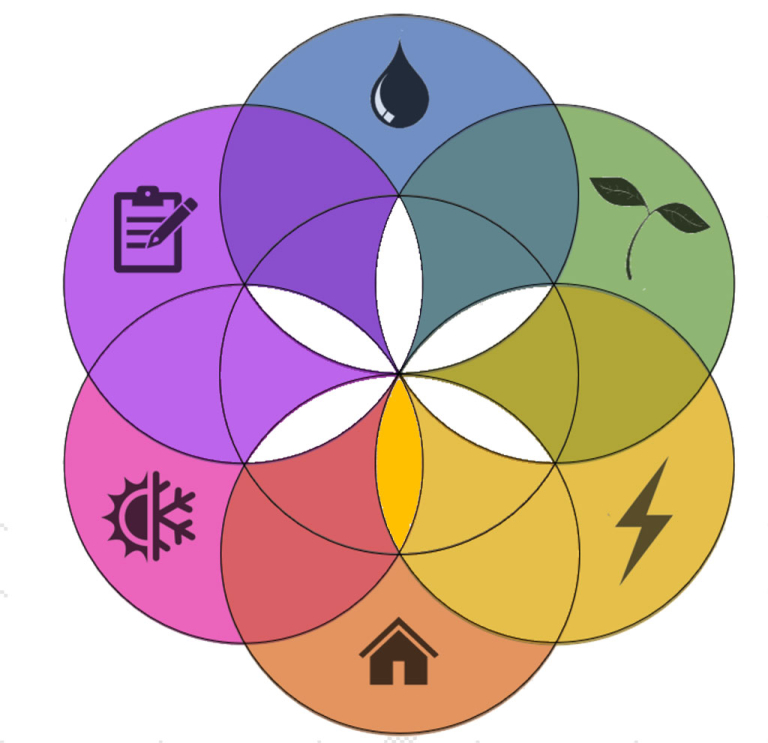
Six systems, one building
A regenerative building is not a conventional building with solar panels on it. Its systems feed one another: the greenhouse that grows food also tempers the air, the water that washes is the water that irrigates, and the wall holding the roof up is the wall storing the day's heat.
Structure
Tire walls, adobe, rammed earth, straw bale and hempcrete - mass and enclosure built to last centuries.
Water
Catchment to potable tap, with storage sized against the longest dry spell rather than the average year.
Liquid waste
Botanical cells that treat greywater and blackwater where they are produced, and grow food while doing it.
Energy
Load analysis first, then array, battery bank, controller and inverter - sized from the building, not a catalog.
Food
Growing zones, food forests and edible architecture designed as building systems rather than amenities.
Comfort
Sun geometry, thermal mass and cooling tubes: a building that heats and cools itself with no machine.
Our housing work
Chamisa Verde
Seven deed-restricted homes in Taos, built with 3D-printed walls. The deed restriction carries a resale formula and buyer qualification, so the affordability survives the closing instead of going to whoever buys first.
In Taos County a household needs 260% of area median income to afford a median single-family home. That is the gap we are building against.
What we commit to
How we work
Affordability that survives the closing
A lower build cost that goes to the first buyer has not solved anything. Deed restrictions keep the home reachable for the household after that one, and the one after that.
Built from what is here
Earth, sun, rain and local labor. Every mile a material travels to Taos is a cost added to a house that somebody has to carry.
Methods published, not licensed
We are a non-profit. What we learn goes into the curriculum, and the curriculum goes to anyone who wants it, including people who will compete with us.
Results measured honestly
Temperatures, gallons, kilowatt-hours, dollars per square foot. We publish what the buildings actually do, including where they fall short.
Local people employed
Skilled trades are scarce here, which raises every cost. Training local crews is how the next project gets cheaper and the wages stay in the county.
Communities decide
Housing decisions belong to the people who will live with them. We bring a method and a cost; what gets built is not ours to settle alone.
From the build
Latest
Homebuyer Education Course
The eight-hour HUD-approved course most down-payment assistance programs require, and what it covers: credit, budgeting, mortgage types, closing costs, and what owning a home costs after the closing.

Chamisa Verde: Building Affordable & Sustainable Homes in Taos
Seven deed-restricted homes in Taos with 3D-printed walls. How the resale formula and buyer qualification keep the affordability from ending at the first closing.
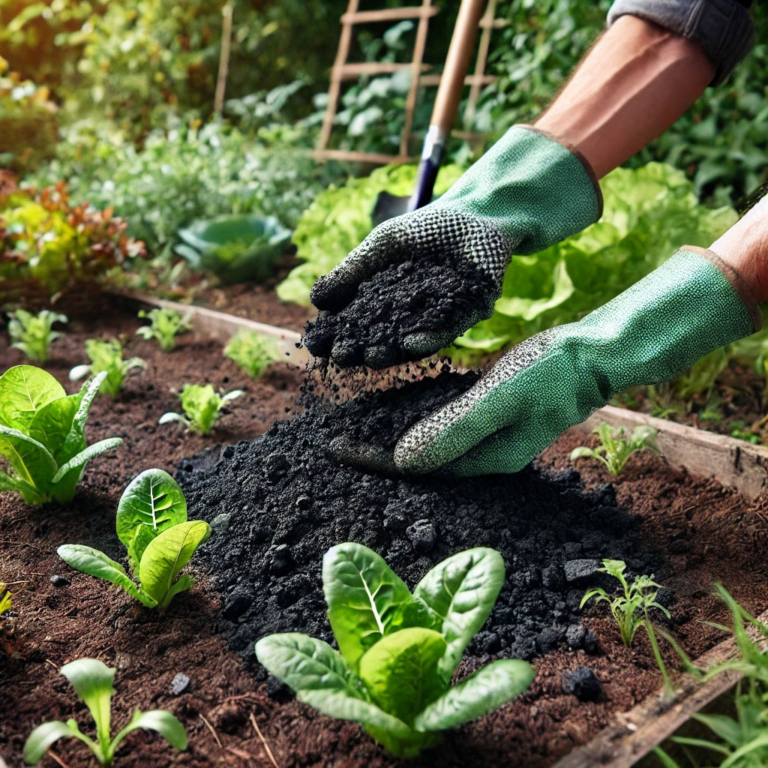
Unlocking the Power of Biochar
Biochar holds water and nutrients in soil for centuries and locks carbon out of the atmosphere while it does it. How it is made by pyrolysis, how to charge it before it goes in the ground, and where it fits on a building site.
Learn to build this
All fourteen courses are open right now, and an account started today keeps what you enroll in free for a year when the subscription begins. The foundation course stays free for good. If the cost is what is stopping you, the scholarship fund is there for that.